

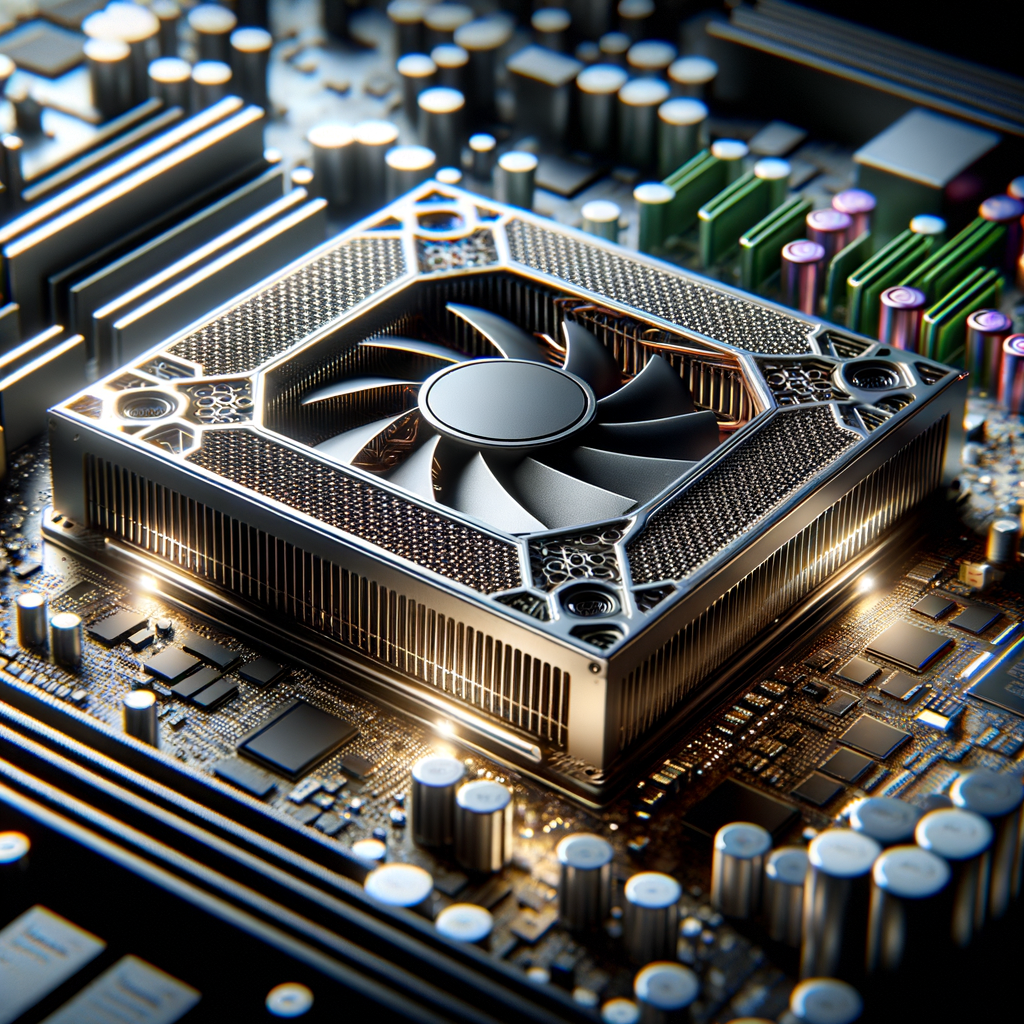
Introduction to GPU Architecture
Graphics Processing Units (GPUs) have become a cornerstone in modern computing, driving advancements in areas ranging from gaming to machine learning. Understanding GPU architecture is essential for tech enthusiasts who want to optimize performance or stay ahead in technology trends. This article will explore the components, evolution, and significance of GPUs.
The Evolution of GPU Architecture
The journey of GPU architecture began in the late 1990s when graphic demands started to outpace CPU capabilities. Early GPUs were primarily focused on accelerating 3D graphics rendering. Over time, advancements such as programmable shaders and parallel processing capabilities transformed GPUs into versatile processors that could handle complex computations beyond graphics.
The introduction of Nvidia’s CUDA in 2006 marked a significant leap, allowing developers to leverage GPUs for general-purpose computing. This evolution has continued steadily, with modern GPUs sporting thousands of cores dedicated to simultaneous calculations.
Core Components of Modern GPU Architecture
A typical GPU consists of several key components designed to handle intensive tasks efficiently:
- Shaders: These are small programs that run on the GPU’s cores. Modern GPUs use two types: vertex shaders and pixel shaders, which work to process 3D images.
- Cores: Known as CUDA cores in Nvidia’s lineup or stream processors in AMD’s GPUs, these are responsible for executing operations rapidly across multiple threads.
- Memory Interface: The memory interface connects the GPU to its memory (VRAM), determining how much data can be transferred at once.
- Tensors Cores: Found in newer architectures like Nvidia’s Turing and Ampere, these are specialized for deep learning applications.
The Impact of GPU Architecture on Gaming
The gaming industry heavily relies on advanced GPU architectures to deliver realistic graphics and smooth gameplay. Key aspects like frame rates, resolution, and visual effects are directly influenced by the capabilities of a GPU.
Nvidia’s RTX series and AMD’s Radeon RX series are examples of high-performance GPUs that employ ray tracing technology for more lifelike lighting effects. Gamers looking for top-tier performance should consider factors such as core count, VRAM size, and clock speeds when selecting a GPU.
GPUs Beyond Gaming: AI and Machine Learning
A significant development in recent years is the use of GPUs in artificial intelligence (AI) and machine learning (ML). Their parallel processing power makes them ideal for training complex neural networks quickly and efficiently.
Tesla’s Dojo supercomputer and Google’s Tensor Processing Units (TPUs) exemplify how specialized GPUs are being harnessed for AI workloads. Developers interested in deep learning should explore Nvidia’s DGX systems or cloud-based GPU solutions for scalable power.
Selecting the Right GPU
Selecting a GPU depends on your specific needs—whether you’re a gamer seeking high FPS or a data scientist requiring fast computational power. Considerations include:
- Use Case: Determine if your primary need is gaming, professional graphics work, or computational tasks.
- Budget: High-end GPUs can be costly; evaluate your budget against performance requirements.
- Ecosystem Compatibility: Ensure compatibility with your existing hardware and software environment.
The Future of GPU Architecture
The future holds exciting prospects for GPU architecture with ongoing research into quantum computing integration and further miniaturization. Upcoming architectures promise even greater efficiency and power density, potentially revolutionizing fields beyond traditional computing areas.
{ “@context”: “https://schema.org”, “@type”: “Article”, “mainEntityOfPage”: { “@type”: “WebPage”, “@id”: “https://www.example.com/understanding-gpu-architecture” }, “headline”: “Understanding GPU Architecture: A Deep Dive into Graphics Processing Units”, “description”: “Explore the intricacies of GPU architecture, its evolution, and its impact on gaming and AI.”, “image”: “https://www.example.com/images/gpu-architecture.jpg”, “author”: { “@type”: “Person”, “name”: “Tech Guru” }, “publisher”: { “@type”: “Organization”, “name”: “Tech & Lifestyle Insights”, “logo”: { “@type”: “ImageObject”, “url”: “https://www.example.com/logo.png” } }, “datePublished”: “2023-10-15”, “dateModified”: “2023-10-15” }