
Introduction to Pixray AI
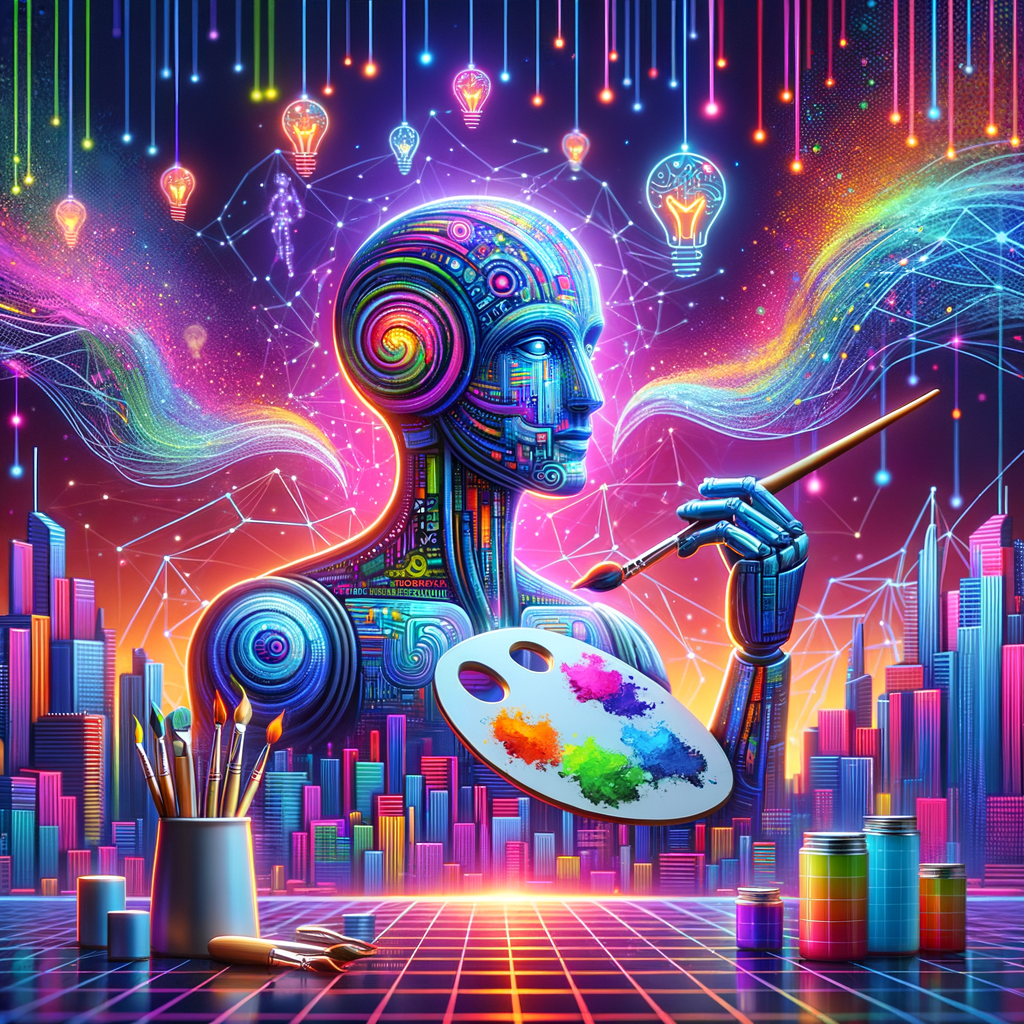
In the rapidly evolving world of technology, Pixray AI stands out as a pioneering force in the realm of digital art. By merging the realms of artificial intelligence and creativity, Pixray AI offers users a powerful tool to transform their artistic visions into reality. The platform harnesses cutting-edge algorithms to generate unique artworks, offering an exciting glimpse into the future of art and design.
Pixray AI has gained significant attention for its ability to produce high-quality images that blur the lines between human creativity and machine learning. This tool is not only reshaping how artists approach their craft but also opening new avenues for those who may not have traditional artistic skills to engage with visual media actively.
How Pixray AI Works
At its core, Pixray AI utilizes a generative adversarial network (GAN), a type of neural network architecture known for its ability to generate data that mimics real-world inputs. By training on vast datasets of images, Pixray AI can produce outputs that are not only visually appealing but also contextually rich.
The process begins with users inputting certain parameters or even a textual description of what they envision. The AI then processes this information through its complex models, generating an image that aligns with the user’s vision. This synthesis of text and image generation makes Pixray AI particularly powerful for creating illustrations, concept art, and even commercial designs.
Step-by-Step Guide to Using Pixray AI
- Input your idea or concept through text or initial sketches.
- Select from various styles and influences available within the platform.
- Allow the AI to process these inputs using its trained algorithms.
- Review and refine the generated artwork according to your preferences.
This process not only democratizes art creation but also enhances creativity by allowing users to experiment with different styles and concepts effortlessly.
The Impact of Pixray AI on Digital Art
The emergence of tools like Pixray AI has profound implications for the digital art landscape. Traditional barriers to entry, such as technical skill in drawing or painting, are significantly lowered. This accessibility allows a broader audience to engage with art creation, fostering inclusivity within the artistic community.
Moreover, professional artists benefit from the efficiency and innovation brought about by such technologies. By automating parts of the creative process, artists can focus more on conceptualization and refinement rather than repetitive tasks. This shift enables more time for experimentation and exploration of complex ideas that were previously constrained by time or resource limitations.
Applications Across Industries
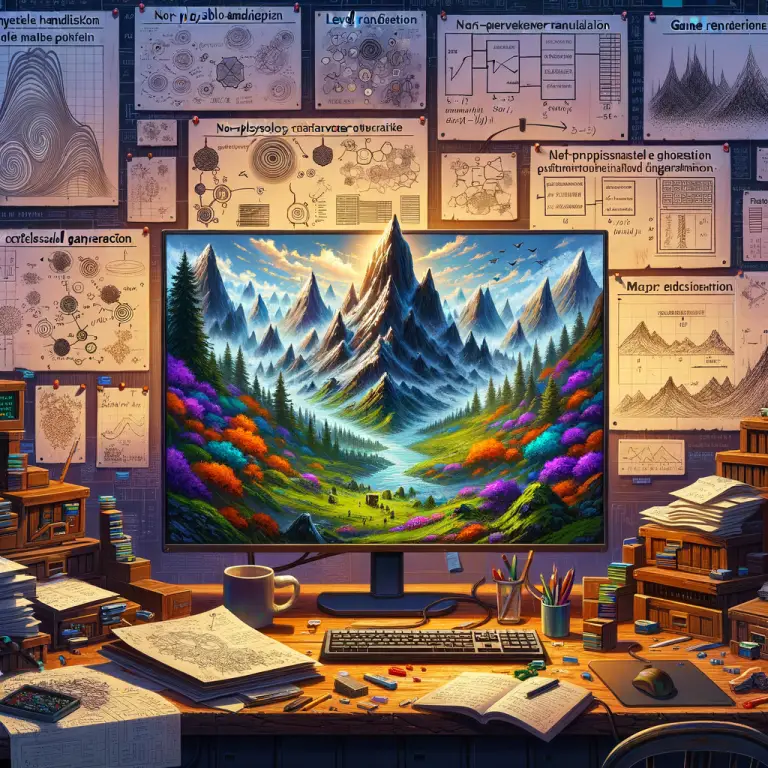
- Entertainment: In film and video game development, Pixray AI aids in rapid concept generation and environmental design.
- Marketing: Businesses leverage it for creating compelling visual content quickly for advertising campaigns.
- Education: The platform serves as an educational tool for teaching art techniques and styles in innovative ways.
Future Prospects for Pixray AI
As artificial intelligence continues to evolve, so too will platforms like Pixray AI. Future developments may include enhanced user interfaces that allow for even more intuitive interactions between humans and machines. Additionally, integration with other emerging technologies such as virtual reality could expand its utility further, providing immersive experiences unlike any before.
The potential for collaboration between artists and AI is vast, suggesting a future where creative processes are enriched by technology rather than overshadowed by it. As these tools become more sophisticated, they may also contribute to new forms of cultural expression that we can only begin to imagine today.
Challenges and Considerations
Despite its advantages, there are considerations regarding the ethical use of AI in art. Questions about originality, authorship, and intellectual property rights arise when machines contribute significantly to creative outputs. Stakeholders must navigate these complexities carefully to ensure fair use and recognition within this digital evolution.
Conclusion
Pixray AI exemplifies how technology can transform traditional practices into innovative experiences. As it continues to gain traction among artists and industries alike, it signifies a pivotal moment in the intersection of technology and creativity. Whether you’re an aspiring artist exploring new horizons or an industry professional seeking efficient solutions, understanding Pixray AI’s capabilities can enhance your approach to digital artistry.